
Blog
Working notes on panel building, cable sizing, metering and solar design. Written from jobs that ran, including the ones that went wrong.
Each post takes one problem — a cable that derates further than the table suggests, a Modbus meter that answers on the bench and goes silent in the panel, an APFC bank that never quite corrects — and follows it to a number you can put on a drawing. The formula is shown rather than asserted, the assumptions are named, and every limit is traced back to the clause it comes from in IS 732, IS 3043 or IEC 60364. Where a rule of thumb is good enough, it says so. Where it will cost you a return visit, it says that instead.
Want a topic covered? Tell us.
Cable sizing
7 postsThe whole sequence, and the four checks after the current table that decide the answer.
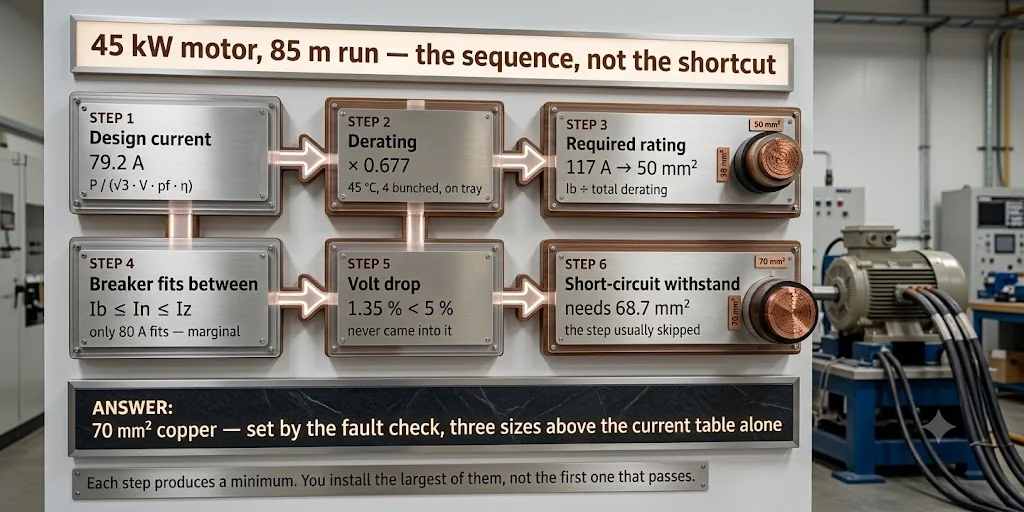
How to size a cable correctly: the six-step sequence
Design current, derating, tabulated rating, breaker coordination, volt drop and short-circuit withstand — the full sequence, worked through for a 45 kW motor.
8 min read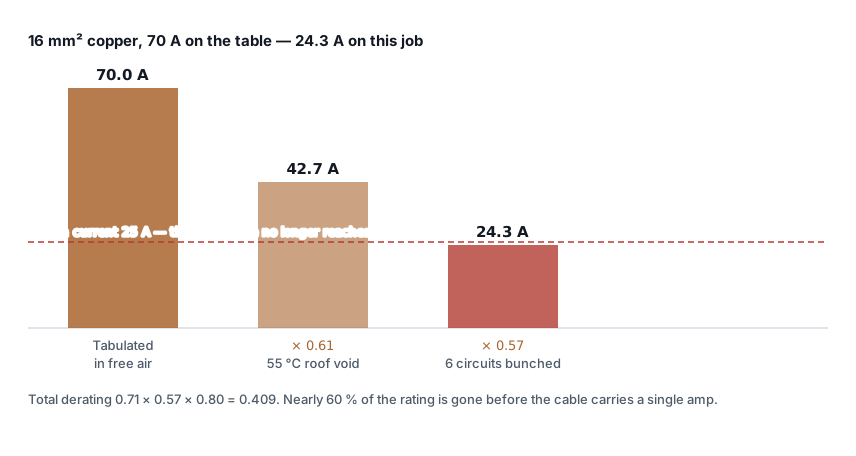
Cable derating factors: the complete table
Ambient, grouping and installation factors in one place, worked through — plus the four factors that are not in any table but still apply.
11 min read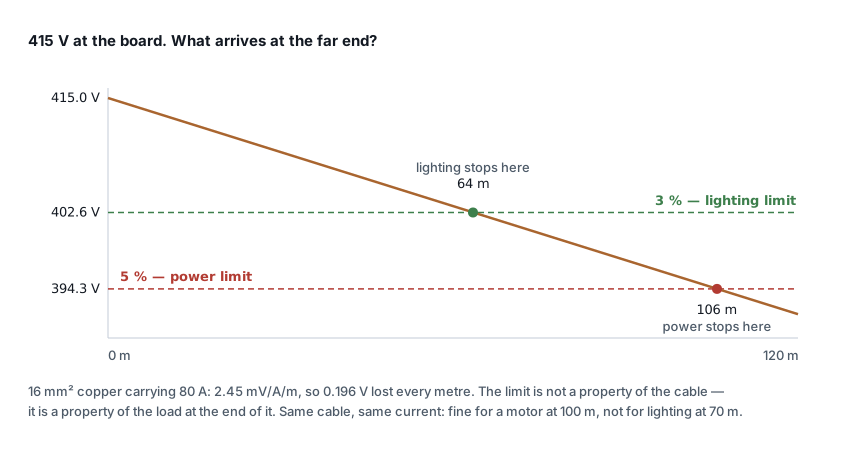
Voltage drop limits: why lighting gets 3 % and power 5 %
What IS 732 actually permits, where the two limits come from, and why the same cable can pass for a motor and fail for a lighting board on the same site.
7 min read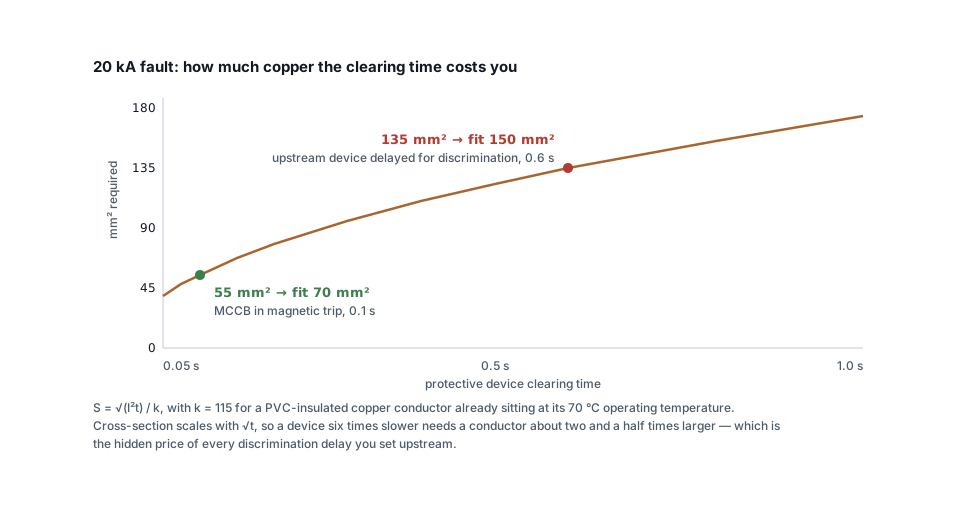
Short-circuit withstand: the cable check everyone skips
A cable that passes current rating and volt drop can still fail under fault. The adiabatic check, the right k value, and why discrimination delays cost copper.
7 min read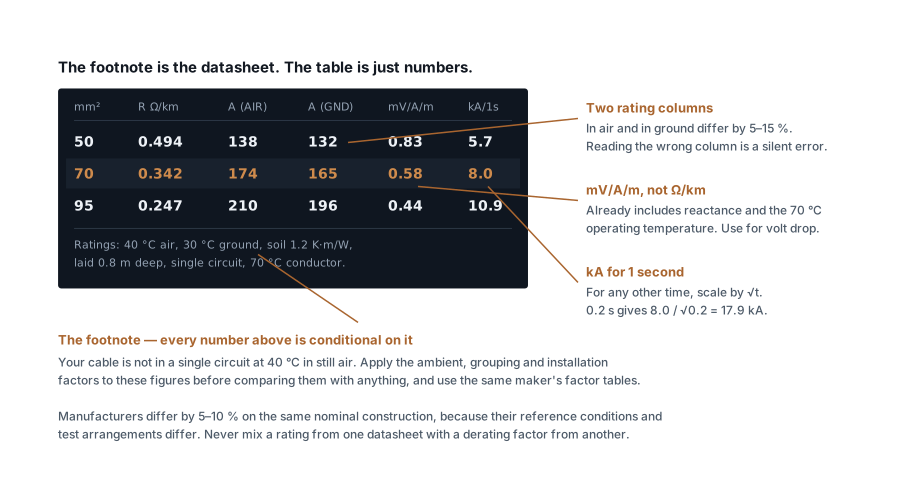
How to read a cable datasheet without getting caught out
Reference conditions, two rating columns, mV/A/m versus ohms per km, one-second fault ratings and how to decode A2XFY — the fine print that decides the size.
7 min read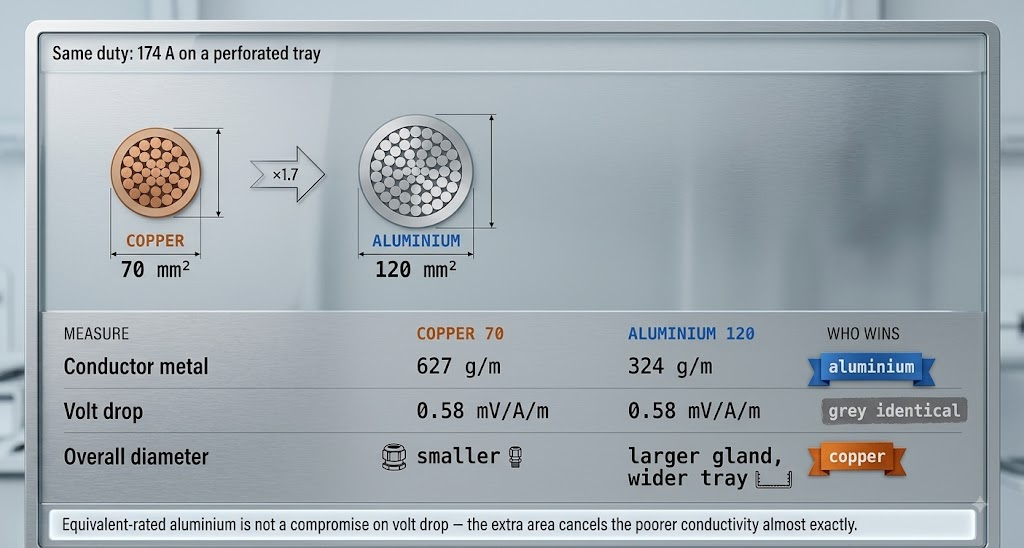
Copper or aluminium: where aluminium stops being cheaper
Aluminium needs 1.6 times the cross-section for the same current — and still costs less per metre. The crossover, and the four places it goes wrong.
8 min read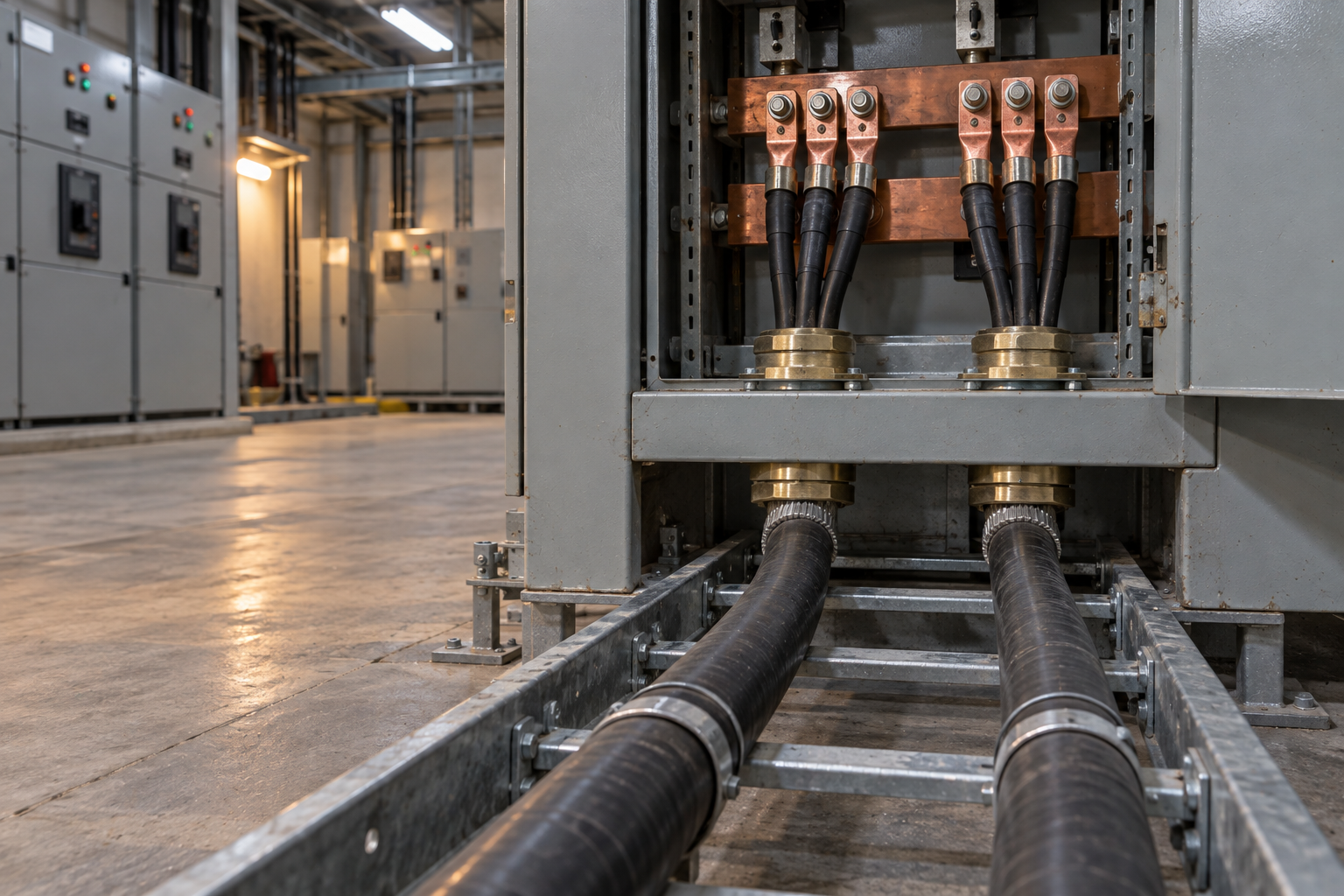
Cable size for large loads: when to run cables in parallel
Above 300 mm², a bigger cable size stops paying. When to run cables in parallel, the six rules for equal sharing, and the overload no breaker can see.
10 min read
Motors & starting
3 postsFull load current, inrush, and choosing what starts the machine.
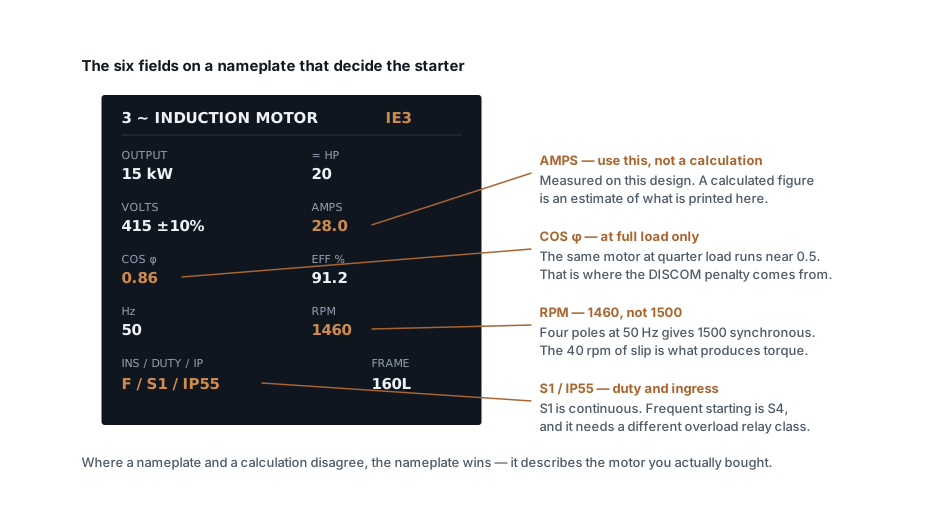
Motor full load current at 415 V: the chart, and the caveats
Full load current for standard three-phase motors from 0.75 to 160 kW, with contactor, relay and cable figures — and why the nameplate rarely matches the table.
9 min read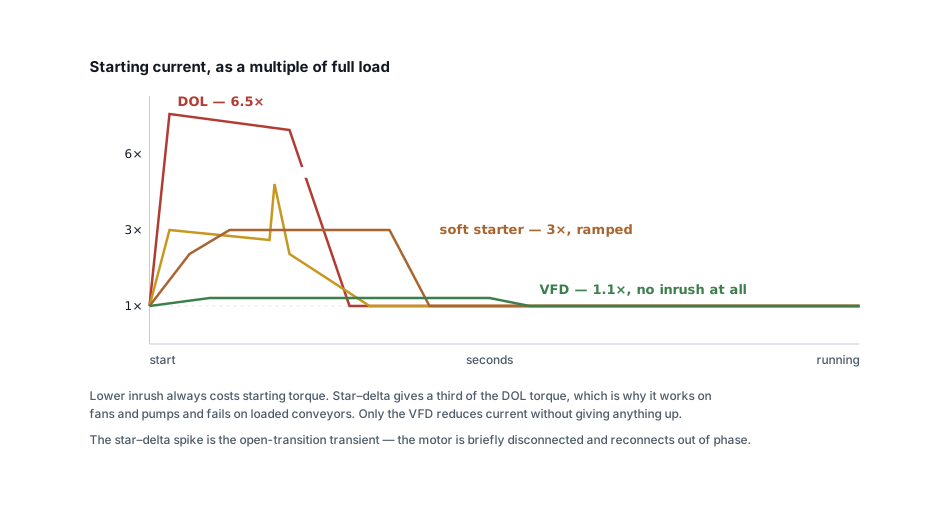
DOL, star–delta, soft starter or VFD: how to choose
Inrush is only half the decision. What each starter does to torque, which loads each suits, and the four failure modes that follow the wrong choice.
6 min read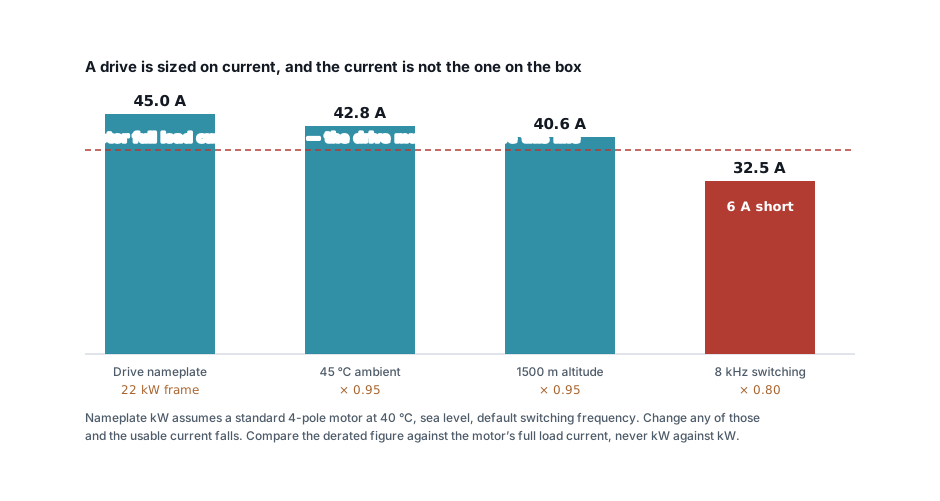
Choosing a VFD: what actually decides the size
Drives are sized on current, not kW — and the current on the box is before derating. Overload class, control mode, cable length and harmonics.
7 min read
Supply, demand & generation
5 postsSizing what feeds the site — and measuring the demand before you size anything.
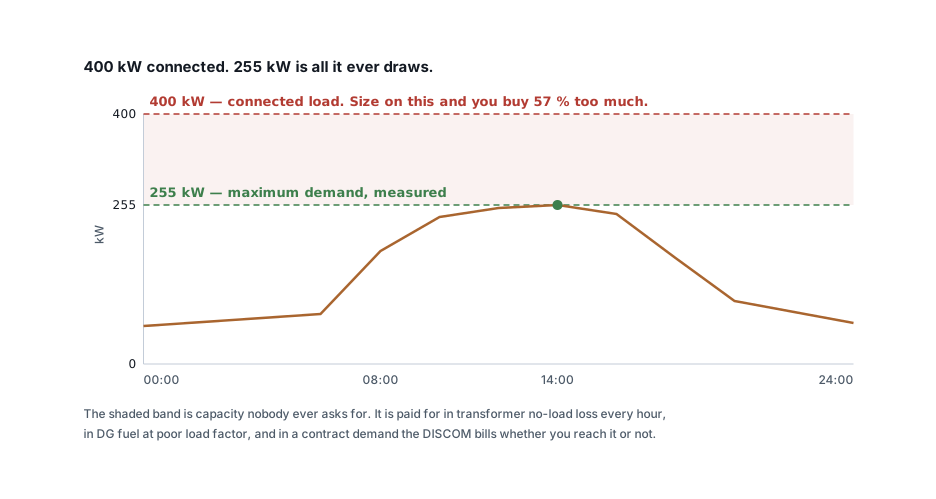
Connected load, maximum demand and diversity factor
The three numbers get used as though they were one. Which to size on, typical demand factors by load type, and what getting it wrong costs on the bill.
7 min read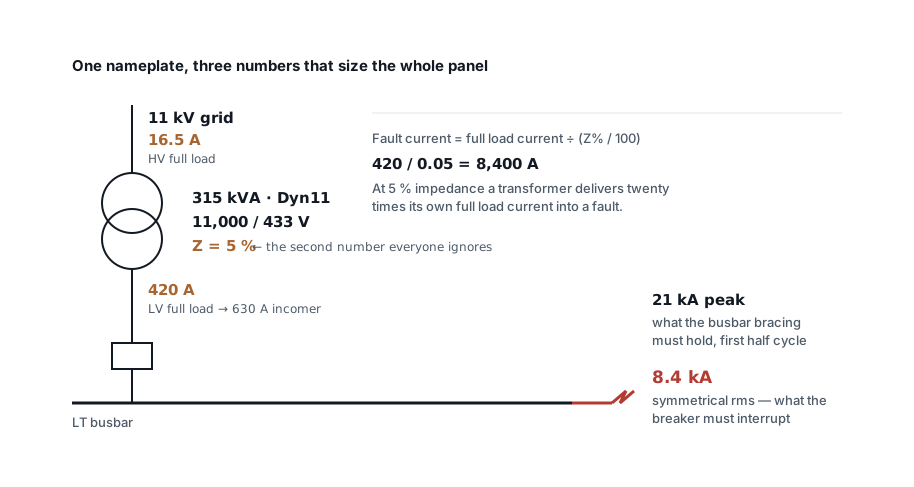
Sizing a distribution transformer: kVA, %Z and fault level
Size a distribution transformer from maximum demand, not connected load — and why the per cent impedance on the nameplate is what decides your switchgear.
10 min read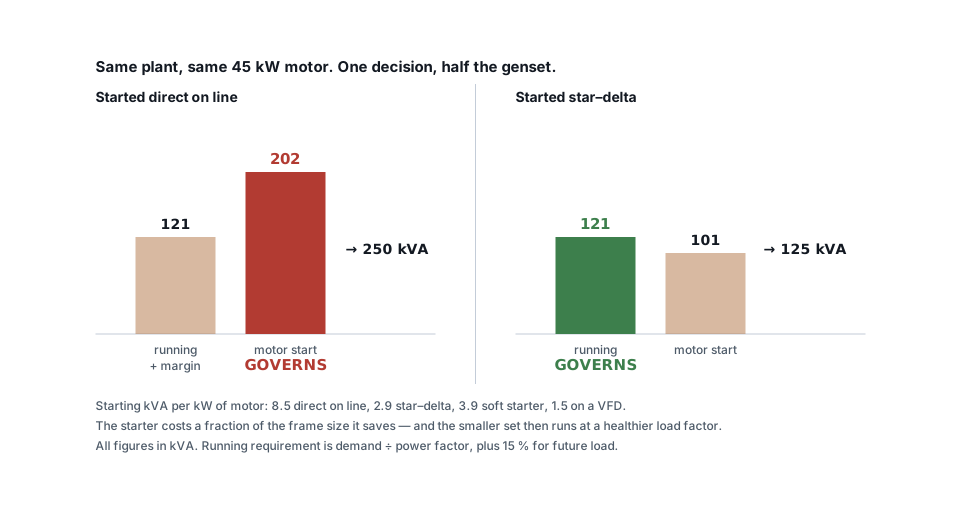
DG set sizing: why motor starting usually governs
Two calculations decide a generator rating and most quotations do only one. A worked example where the starter choice halves the frame size.
7 min read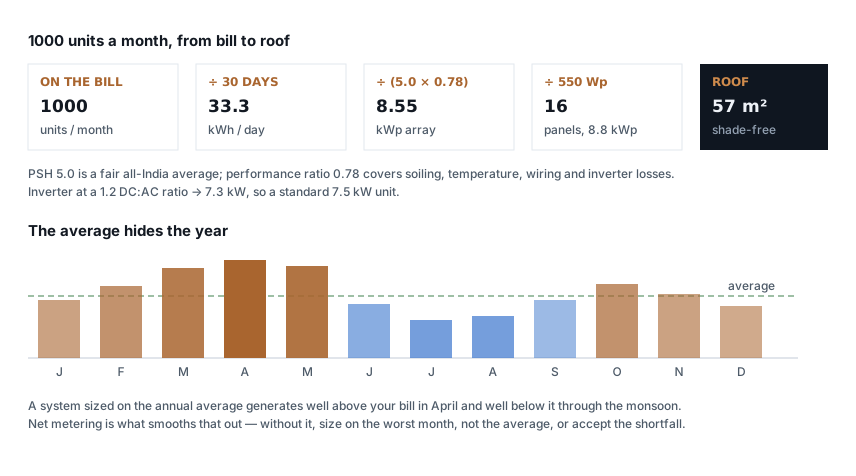
How many solar panels for 1000 units a month?
The arithmetic from your bill to a panel count and a roof area, why the annual average misleads, and the four things that decide whether you actually get it.
6 min read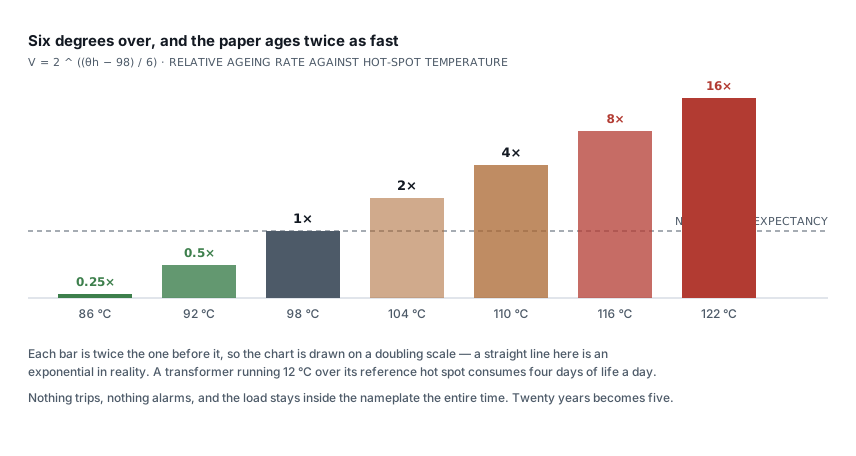
Why distribution transformers fail: one mechanism, ten routes to it
Almost every failure mode ends as heat or water in the paper. The 6 °C rule that quantifies it, and the oil tests that see it coming months ahead.
8 min read
Power factor & power quality
3 postsWhat the utility charges for reactive power, and what drives add.
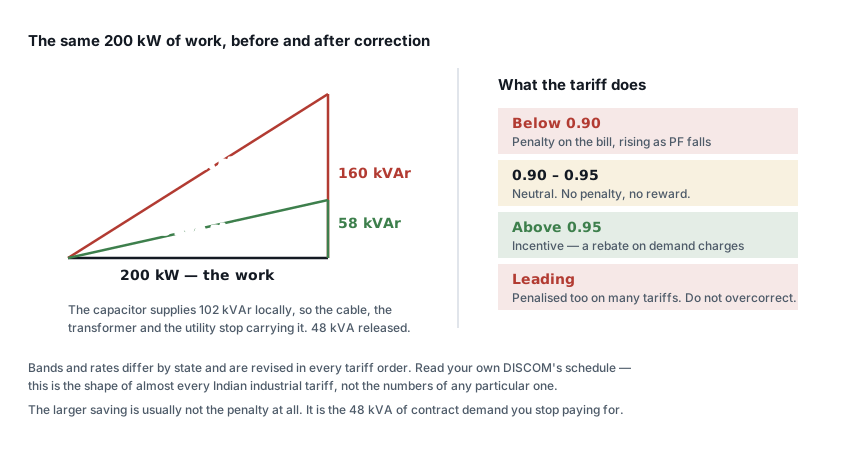
The power factor penalty: what it costs, what fixing returns
Where reactive power comes from, how Indian tariffs charge for it, and a worked payback on a 200 kW plant — where the penalty is the smaller of the two savings.
6 min read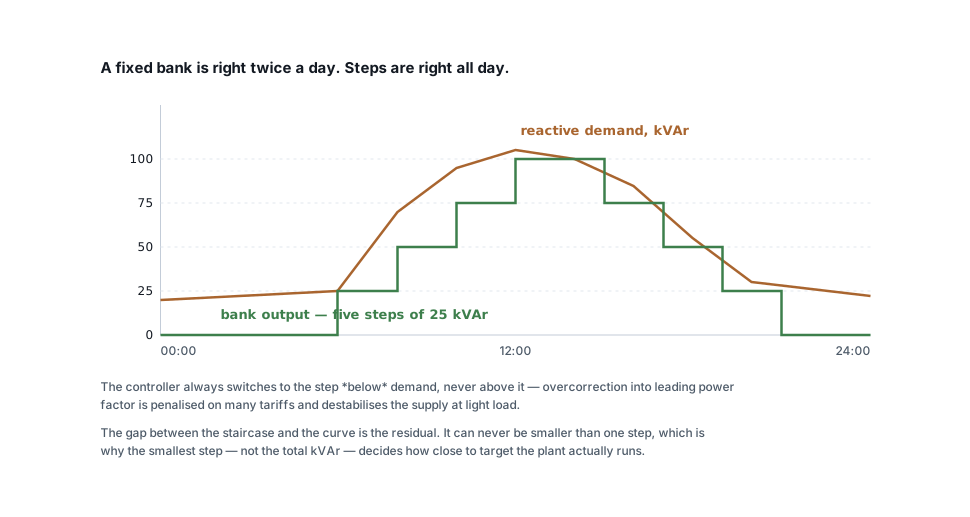
APFC panels: sizing the steps, and avoiding resonance
How an automatic power factor panel decides what to switch, why the smallest step matters more than the total kVAr, and when you must fit detuned reactors.
6 min read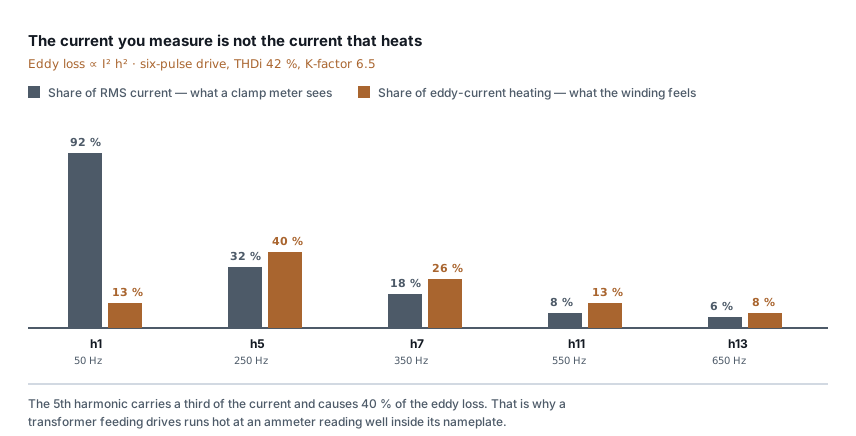
Transformer running hot: harmonics and K-factor
The ammeter reads 70 % of nameplate and the transformer is too hot to touch. Why eddy loss follows frequency squared, and what K-factor really tells you.
7 min read
Panels, protection & earthing
8 postsInside the enclosure, and the earth system underneath it.
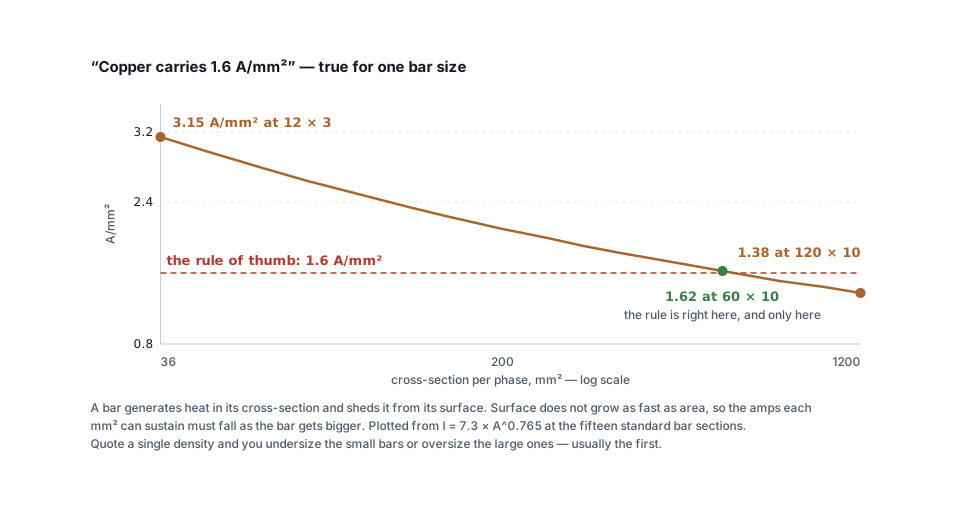
Busbar sizing: current rating, heat and short-circuit forces
Why amps per mm² is not a constant, what paralleling really buys, and the mechanical force a fault puts on the supports — with the arithmetic worked.
8 min read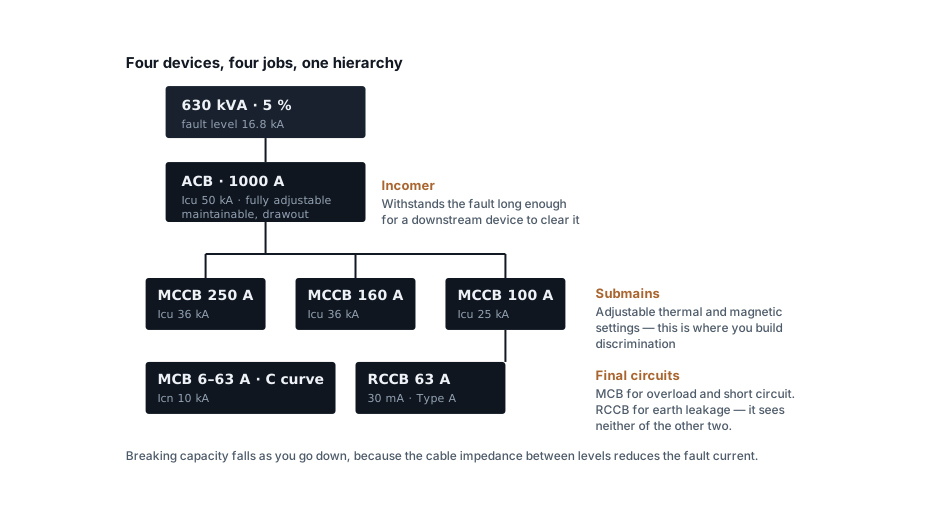
MCB, MCCB, ACB and RCCB: what each protects, and where
The four devices compared on rating, breaking capacity and adjustability — plus trip curves, Icu versus Ics, and choosing an RCD type for VFD circuits.
7 min read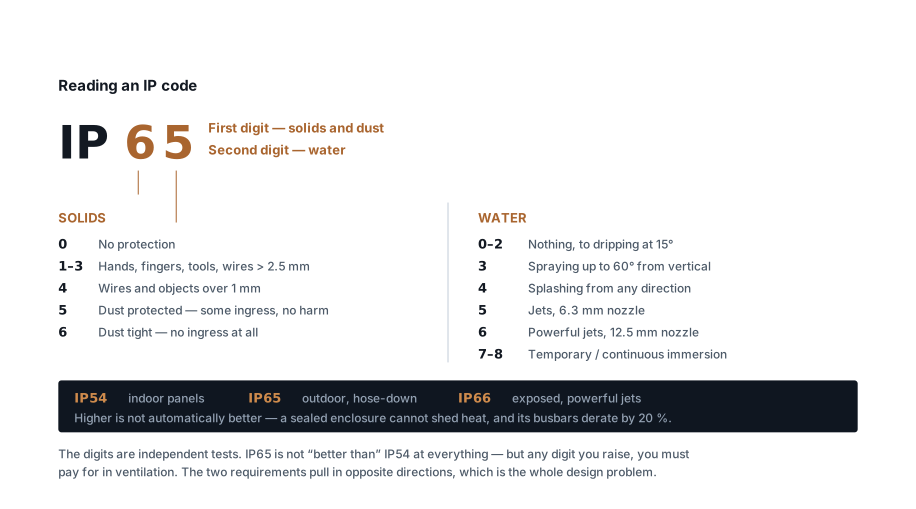
IP ratings for panels: what IP54, IP65 and IP66 survive
What each digit is tested against, why a higher rating derates your busbars, and the condensation problem that ruins sealed outdoor enclosures.
8 min read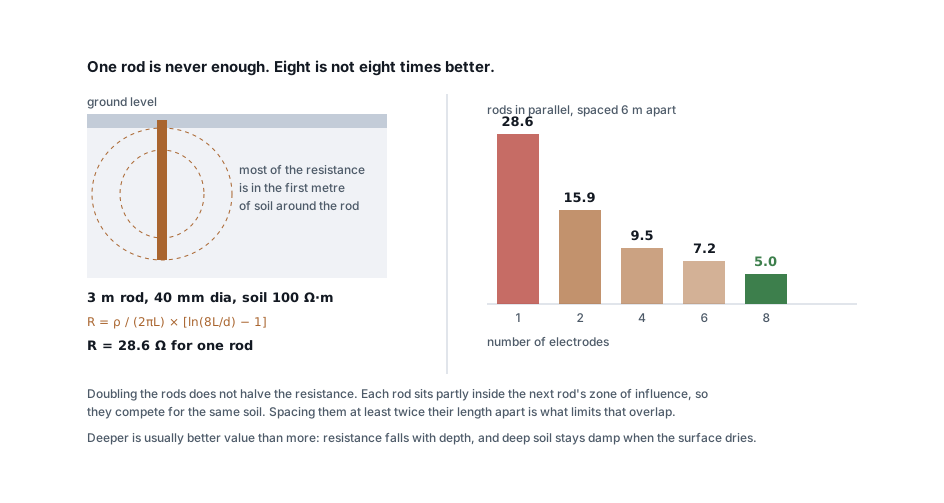
Earthing design under IS 3043: electrodes, soil and pits
Soil resistivity, how many earth pits you need, why doubling the rods does not halve the resistance, and the separate-earths myth that destroys equipment.
7 min read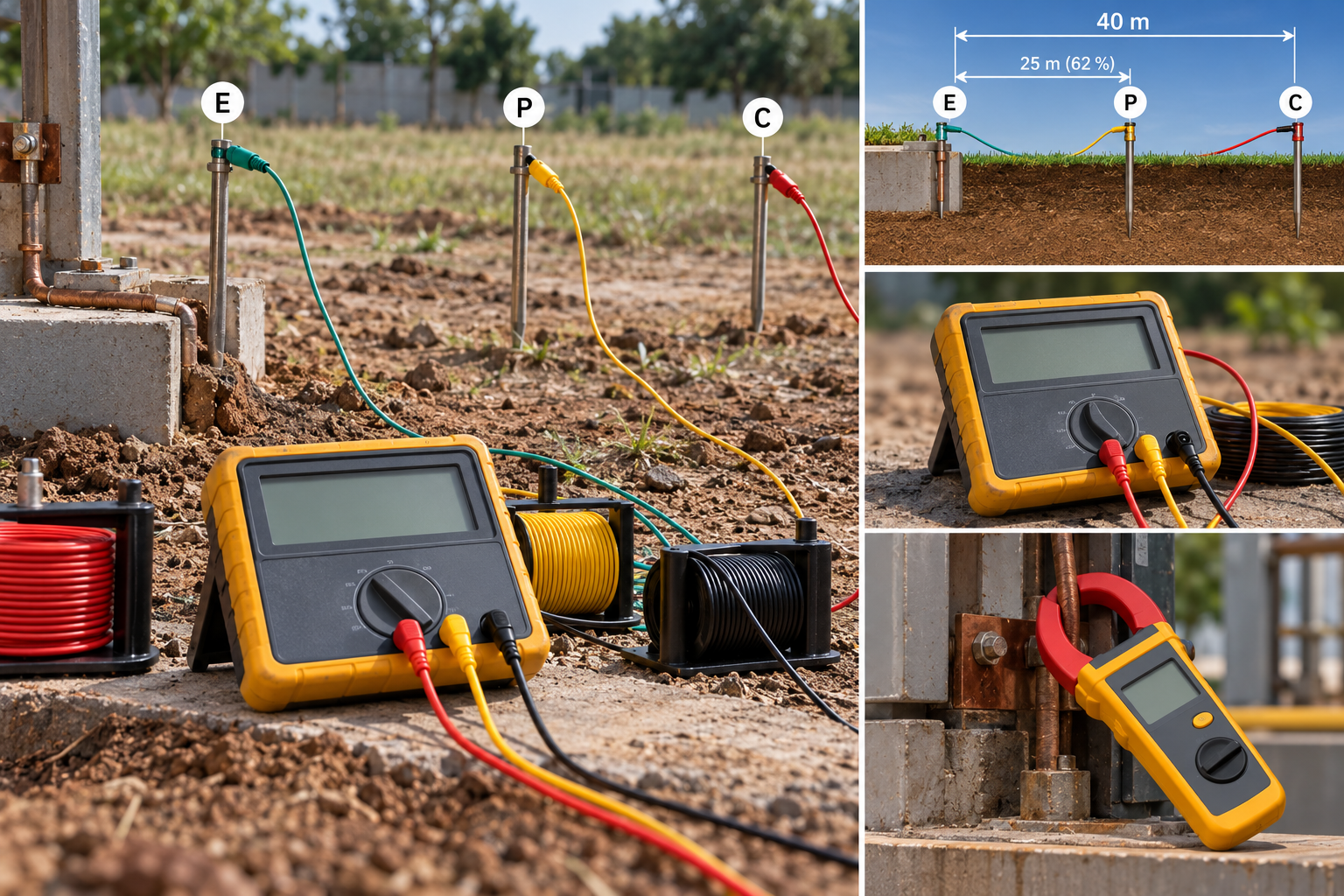
Earth resistance testing: the 62 % rule, and when the clamp-on lies
Fall-of-potential done properly, the three-position check that proves it, IS 3043 limits by application, and when a clamp-on tester measures nothing.
8 min read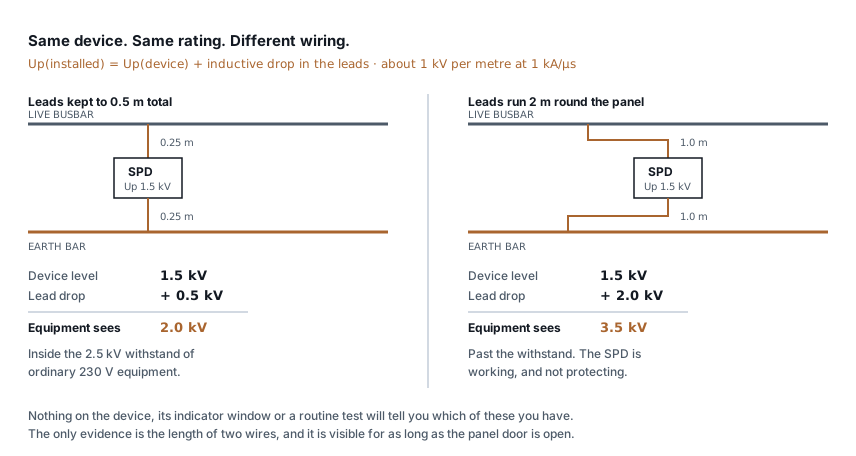
SPD installation: the two wires that decide
An SPD with 2 m of lead passes more than twice the voltage it should. Lead length, Uc and type selection, and how to check a panel you did not build.
7 min read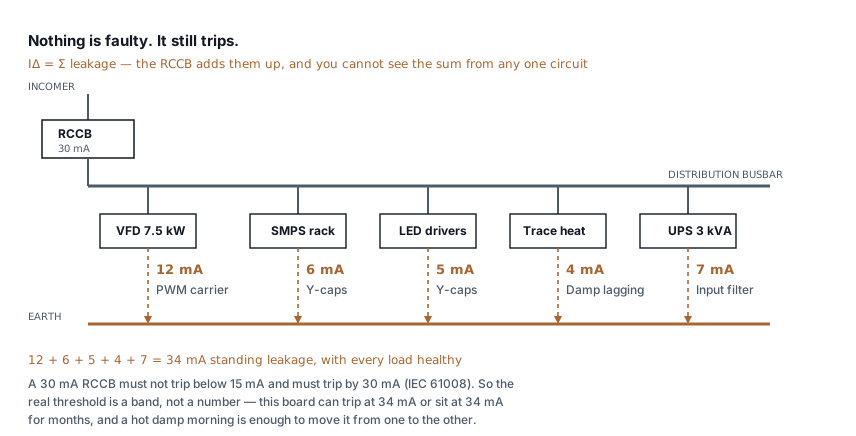
RCCB keeps tripping: how to find the leakage
Healthy loads leak. Six of them on one board can trip a 30 mA RCCB with nothing faulty anywhere. How to measure the standing leakage and what to change.
8 min read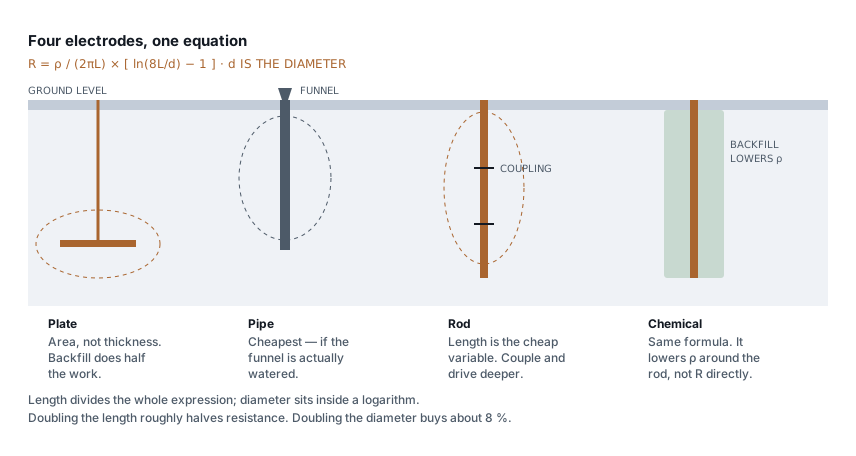
Types of earthing: plate, pipe, rod and chemical compared
Plate, pipe, rod and chemical earthing all obey one formula. What separates them is soil resistivity, depth and who maintains them — not the electrode material.
7 min read
Metering & IoT
9 postsGetting a trustworthy number off a meter, moving it somewhere, and doing something with it.
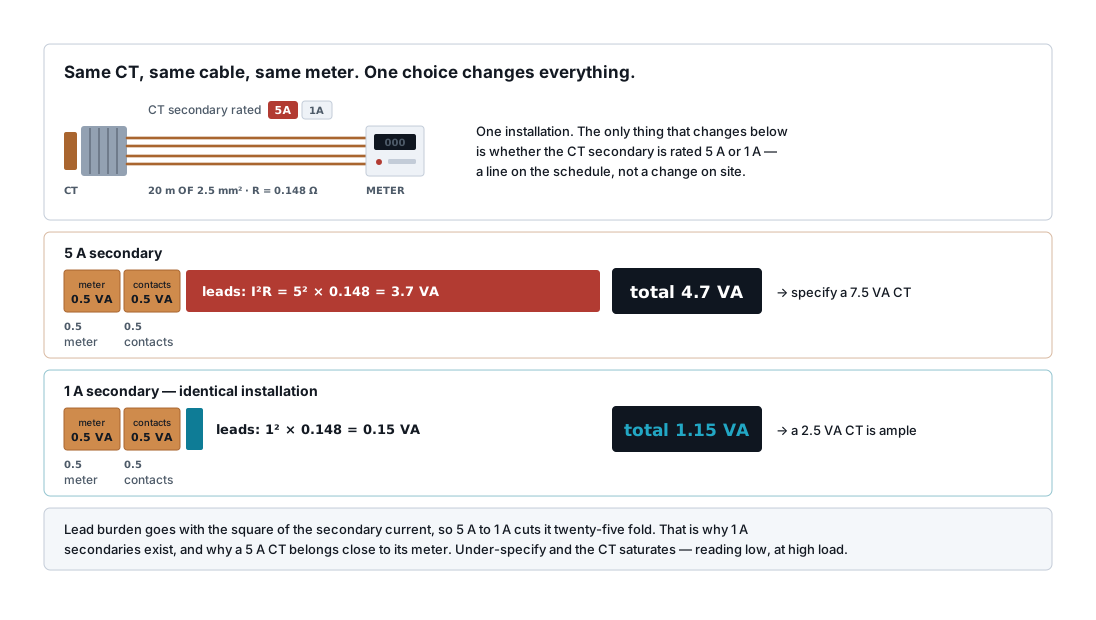
CT ratio and burden: picking a CT that reads correctly
Why lead resistance dominates the burden on a 5 A secondary, what the S in class 0.5S buys you, and how an oversized ratio quietly loses accuracy at part load.
7 min read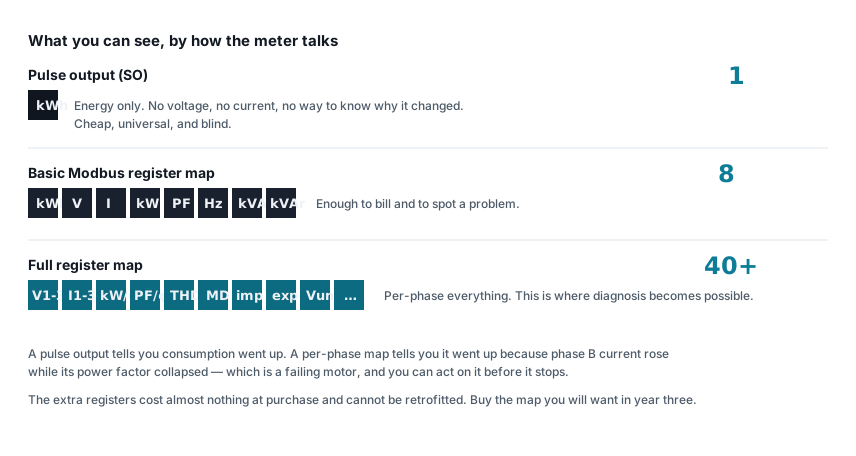
Choosing an energy meter for IoT: what actually matters
Accuracy class, register map, protocol and documentation — the four things that decide whether a meter becomes a data source or an expensive display.
6 min read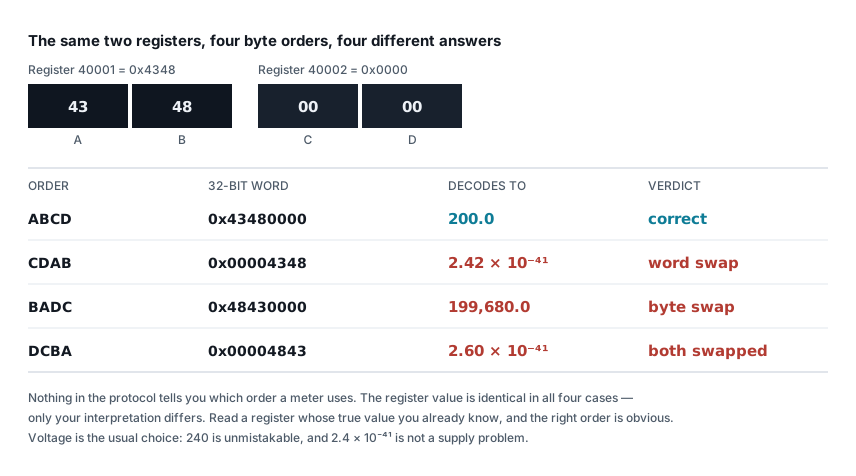
Modbus RTU on energy meters: six things that break
Wiring, termination, byte order, register offsets, phantom registers and polling intervals — the real RS485 failure modes, and how to tell them apart.
7 min read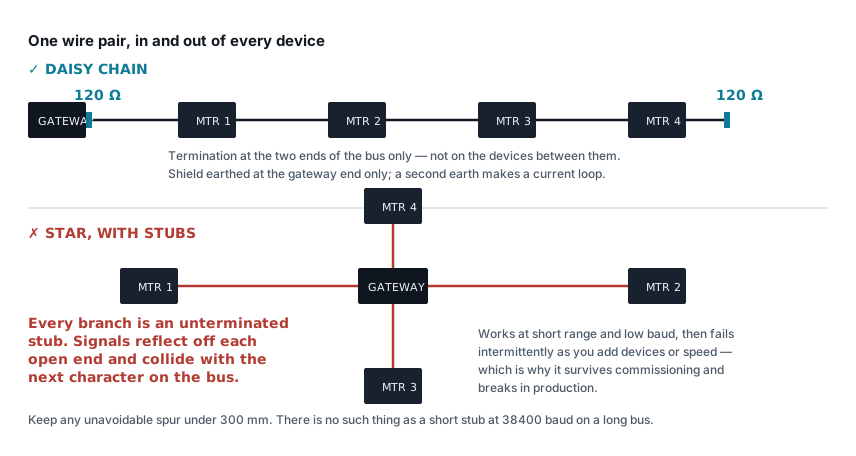
RS485 wiring for Modbus: topology, termination, shields
Daisy chain not star, 120 Ω at both ends only, one earth on the shield, and the third wire everybody omits — the physical layer that decides if polling works.
7 min read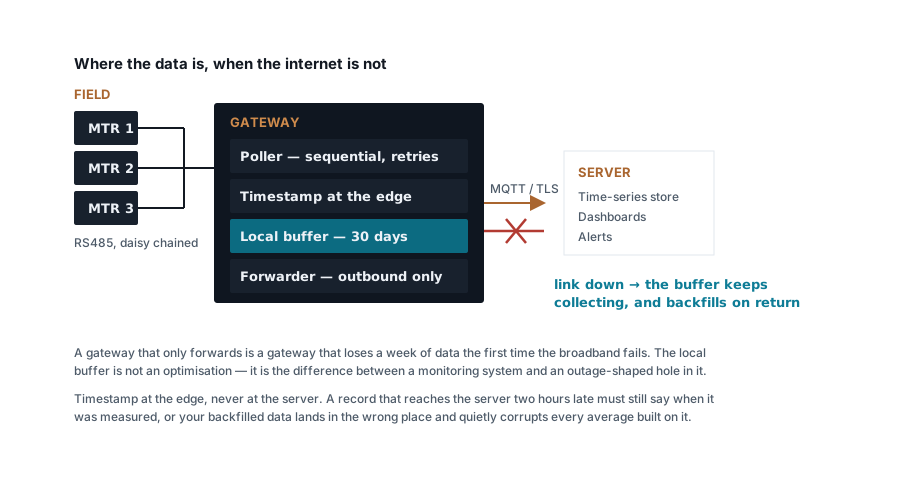
Building a Modbus energy monitoring gateway that stays up
Polling design, store-and-forward, timestamping at the edge, SD card wear and the naming convention you cannot change later — a field-grade gateway.
7 min read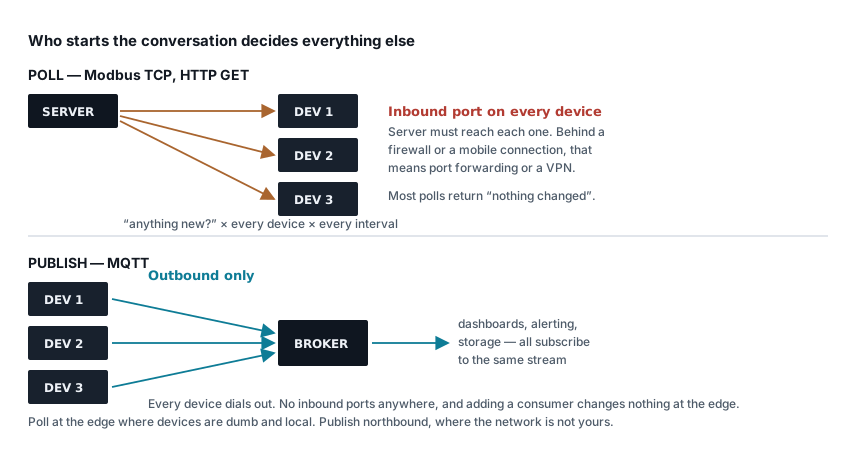
MQTT, Modbus TCP or HTTP: moving meter data to a server
Poll versus publish, what each protocol costs in bandwidth and firewall holes, how to design topics and payloads, and where each one genuinely belongs.
7 min read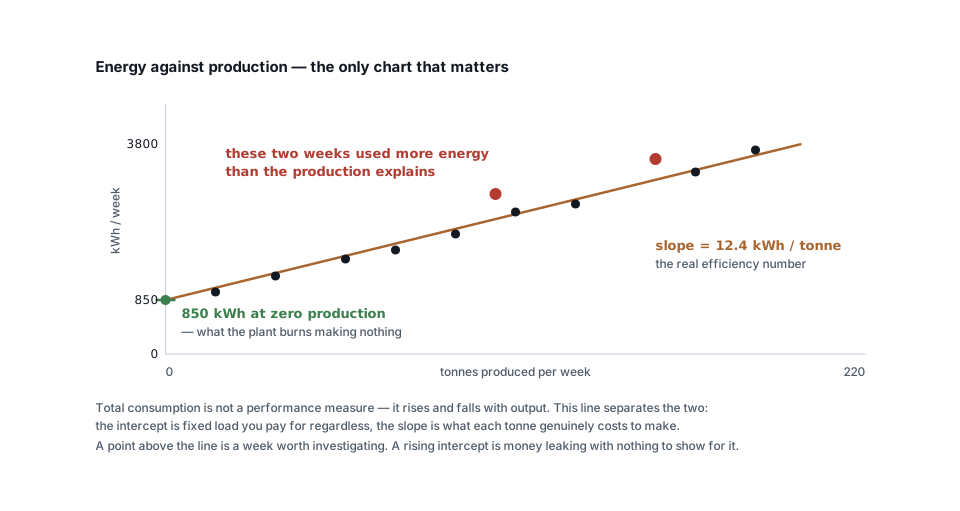
Turning meter data into savings: baselines, KPIs and alerts
Why total kWh is a useless measure, how to build an energy baseline against production, and the four analyses that actually find money in metering data.
6 min read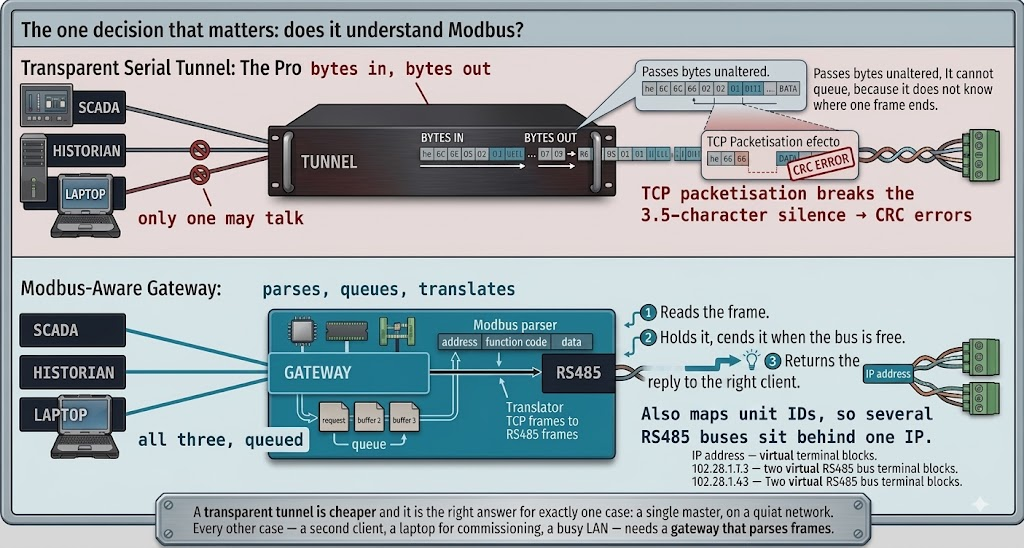
Choosing an RS485 to Modbus TCP gateway
Transparent tunnel or protocol gateway, multi-master handling, unit ID mapping and isolation — the specification that decides whether it works in year two.
7 min read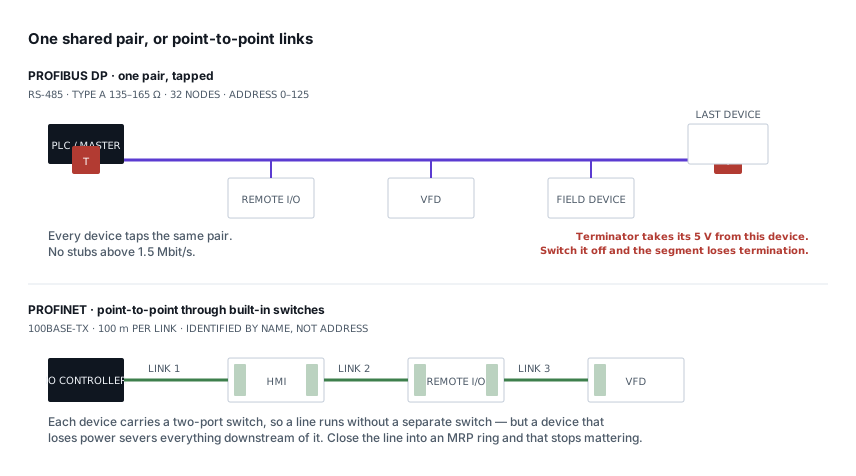
PROFIBUS and PROFINET: how each is wired, and what breaks
Purple cable at 150 Ω against green Ethernet, powered termination against none, device addresses against device names — and the fault each design invites.
8 min read
Troubleshooting
5 postsSomething is already broken. Symptom first, then the causes ranked by how often they are actually the cause.
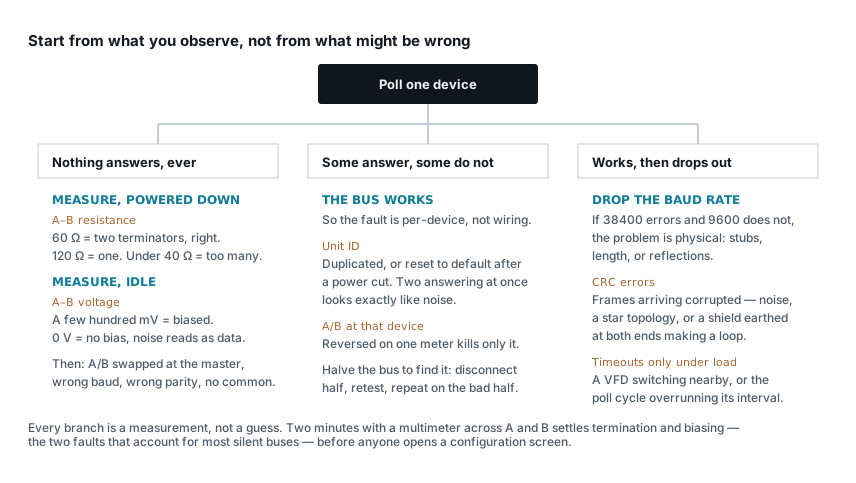
Modbus RTU not responding: a diagnostic sequence
Timeouts, CRC errors and silent devices, worked from what you can observe. Two minutes with a multimeter settles the two commonest causes.
7 min read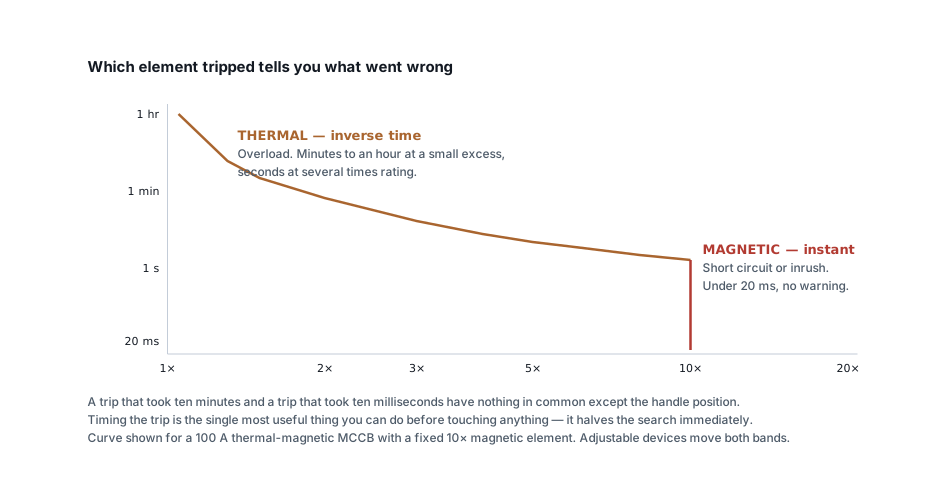
MCCB keeps tripping: how to find out why
Time the trip first — it halves the search. Then work through overload, short circuit, earth fault and the causes that are not faults at all.
7 min read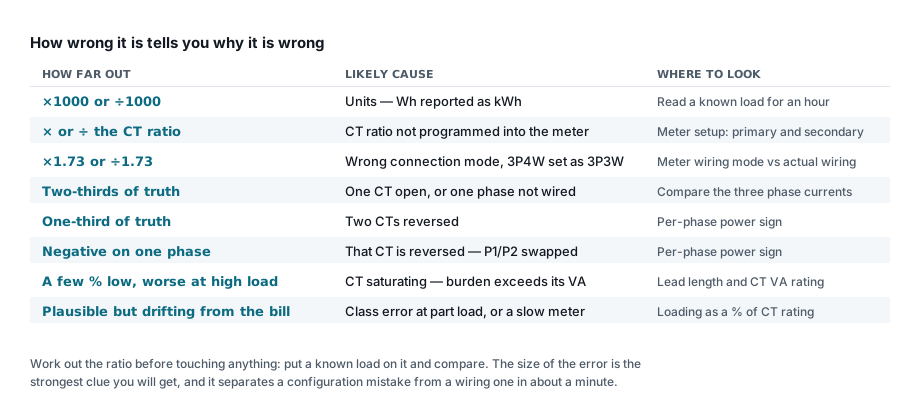
Energy meter showing wrong readings: a checklist
Work out how wrong it is first — the size of the error names the cause. Ratio errors, reversed CTs, saturation and the ones that look plausible.
7 min read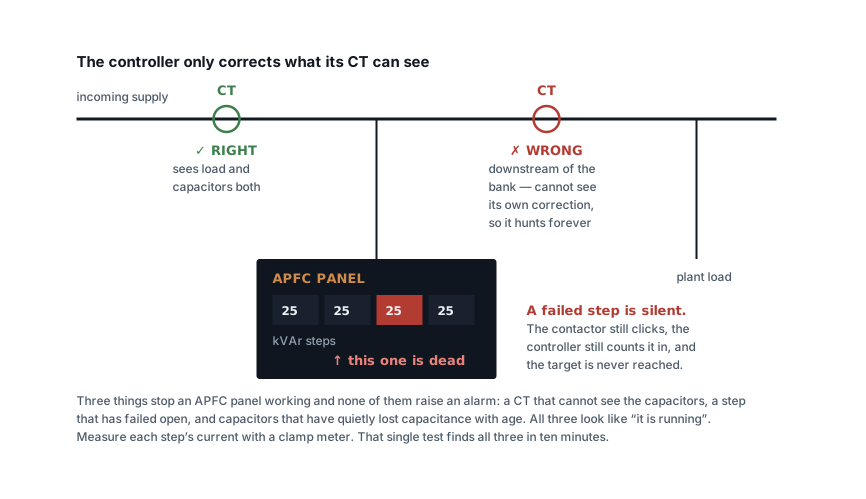
Power factor still poor after fitting capacitors: why
The bank is installed, the contactors click, and the bill has not moved. Six causes, ranked, and the one clamp-meter test that finds most of them.
7 min read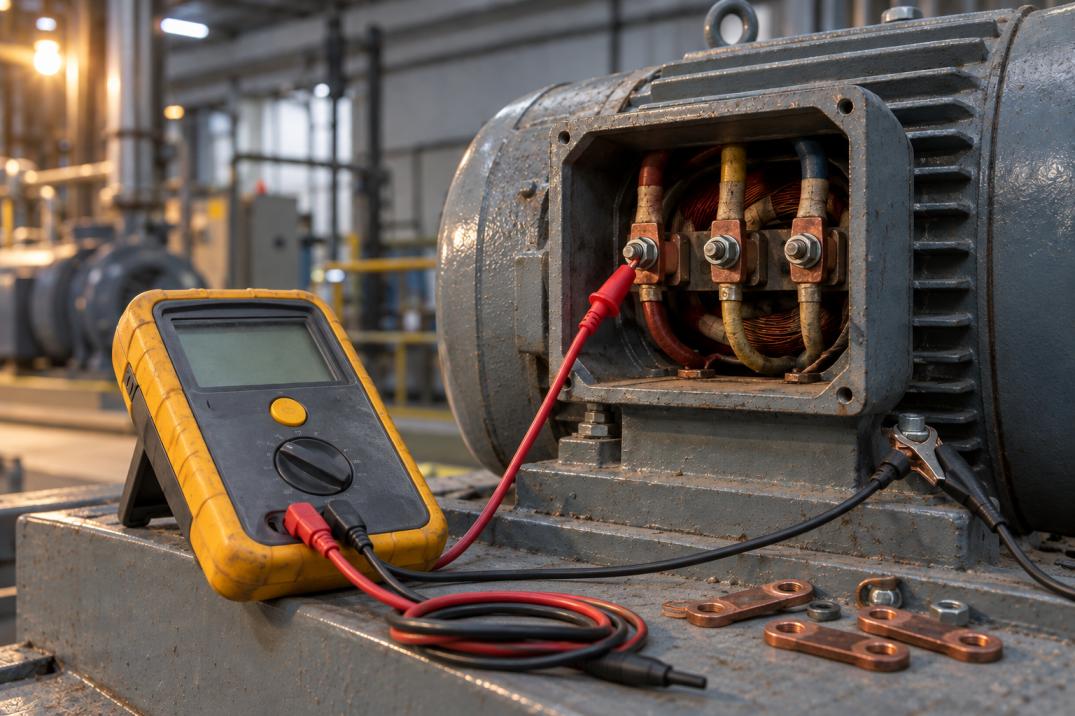
Insulation resistance test values: what passes, and when to reject
What a megger reading means: IS 732 and IEEE 43 limits, temperature correction, polarisation index, and the three things that fake a failure.
13 min read
Want a topic covered? Write to us at divarj2@gmail.com.